


Quinolone Pharmaceutical Intermediates
Why Choose Us
Certifications
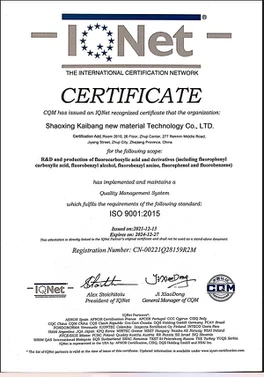
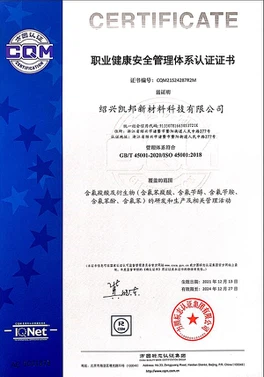
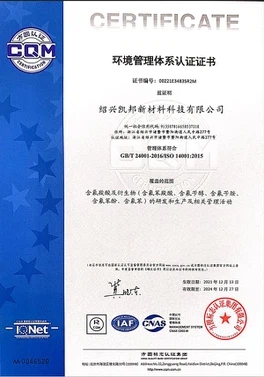
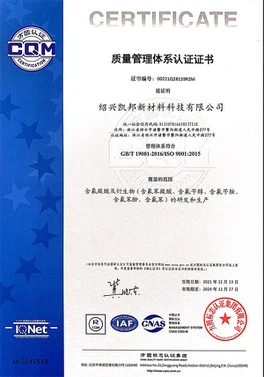
Kaibang takes immense pride in holding certifications from Iso 9001:2015, ISO 14001:2015, andISO 45001:2018, a testament to our unwavering commitment to quality, efficiency, flexibility, and cost competitiveness.
One-Stop Service
We are a professional manufacturer of phar-maceutical intermediates integrating R&D,production and sales.
Competitive Price
We have a professional purchasing team and costing team, trying to reduce costs and profits, and provide you with a good price.
Production Equipment
We have devoted amount of resource for maintain and keep our equipment in the best state for our customers.
Benefits of Quinolone Pharmaceutical Intermediates
Broad antibacterial spectrum
Quinolone antibiotics have a broad antibacterial spectrum and can effectively act against Gram-positive bacteria. They also show significant antibacterial effects against most Gram-negative bacteria, such as Pseudomonas aeruginosa.
Convenient medication
Quinolone antibiotics are easy to use and can be taken orally, and the adverse reactions they cause are relatively mild, mainly manifesting as gastrointestinal symptoms, central nervous system reactions, and general allergic reactions.
Unique antibacterial effect
Quinolone antibiotics have a unique antibacterial action mechanism and can significantly inhibit bacterial DNA and RNA synthesis. Therefore, they have no cross-resistance with other antibacterial drugs and can maintain good antibacterial activity even against strains resistant to other antibacterial drugs.
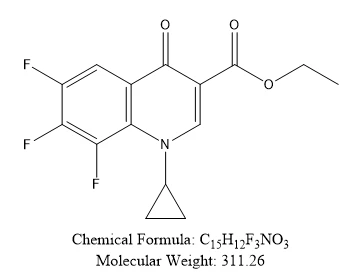
The basic skeleton of quinolone antibiotic molecules is a nitrogen (hetero)biparacyclic structure. Quinolones and other antibacterial drugs have different action points. They target bacterial deoxyribonucleic acid (DNA). The double-stranded DNA of bacteria is twisted into loops or spirals (called supercoils). The enzyme that causes DNA to form supercoils is called DNA gyrase. Quinolones hinder this enzyme, further causing irreversible damage to bacterial DNA and causing bacterial Cells no longer divide. They show selective toxicity to bacteria. Currently, resistance to many antibiotics in some bacteria can be widely spread through plasmid transmission. This class of drugs is not affected by plasmid-transmitted resistance. Therefore, there is no cross-resistance between this class of drugs and many antibacterial drugs.
Quinolones are antibacterial drugs that mainly act on Gram-negative bacteria and have a weak effect on Gram-positive bacteria (some varieties have better antibacterial effects on Staphylococcus aureus).
What Are The Main Functions of Quinolones?
Antibacterial
The main antibacterial mechanism of quinolone antibiotics is to kill bacteria by inhibiting bacterial DNA synthesis. It has good antibacterial activity against Gram-positive bacteria, Gram-negative bacteria and some anaerobic bacteria, and can be used clinically to treat respiratory tract infections, skin and soft tissue infections, urinary system infections, and gastrointestinal infections caused by sensitive bacteria. and other diseases.
Anti-inflammatory
Quinolone antibiotics can also inhibit the release of inflammatory mediators, thereby achieving anti-inflammatory effects, and have good therapeutic effects on inflammation caused by various non-bacterial infectious diseases, such as acute rhinitis, acute exacerbation of chronic bronchitis, pneumonia, and acute pyelonephritis. wait.
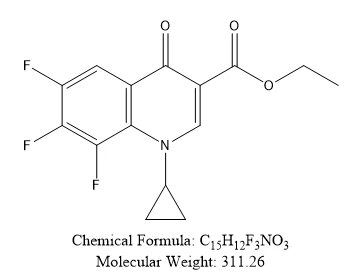
Types of Quinolone Pharmaceutical Intermediates
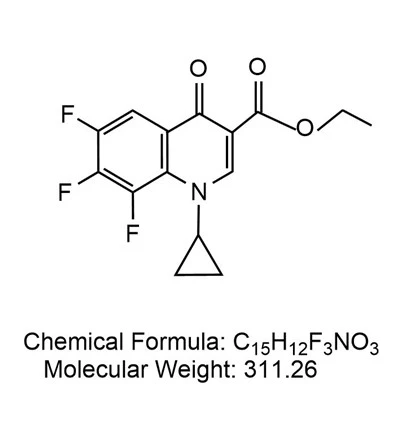
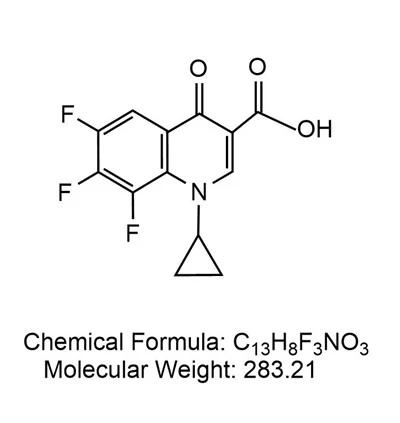
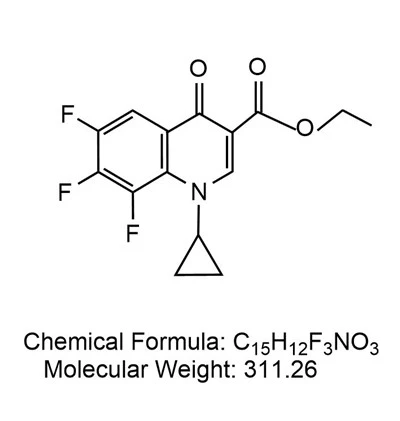
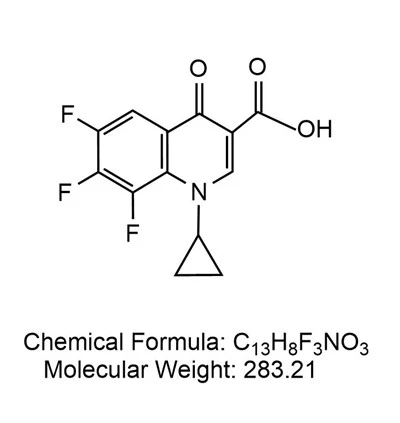
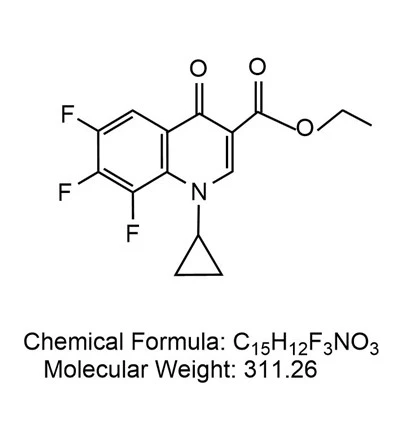
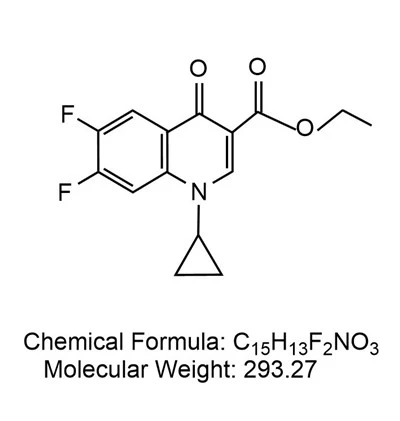
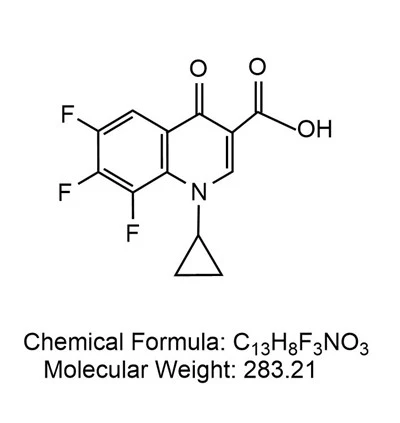
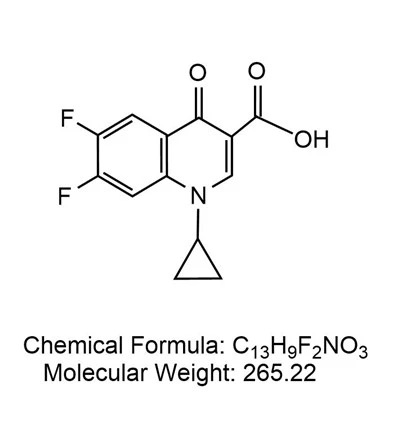
1-Cyclorpropyl-6,7-Difluoro-1,4-Dihydro-4-Oxo-3-Quinoline Carboxylic Acid
1-Cyclorpropyl-6,7-difluoro-1,4-dihydro-4-oxo-3-quinoline Carboxylic Acid is a chemical compound that belongs to the class of quinolones, which are a group of synthetic antibiotics. This compound is derived from the parent compound quinoline, and it has a unique structure due to the presence of a cyclopropyl group at the first position and a carboxylic acid group at the third position.
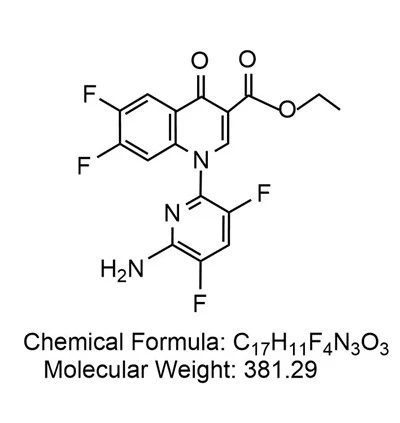
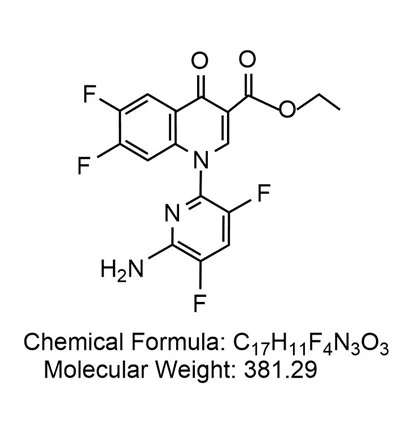
1-(6-Amino-3,5-Difluoro-2-Pyridinyl)-6,7-Difluoro-1,4-Dihydro-4-Oxo-3-Quinolinecarboxylic Acid
1-(6-Amino-3,5-difluoro-2-pyridinyl)-6,7-difluoro-1,4-dihydro-4-oxo-3-quinolinecarboxylic Acid is a chemical compound widely used in the pharmaceutical industry as an antibacterial agent. This compound is a member of the quinolone family of antibiotics and works by inhibiting the growth and replication of bacteria.
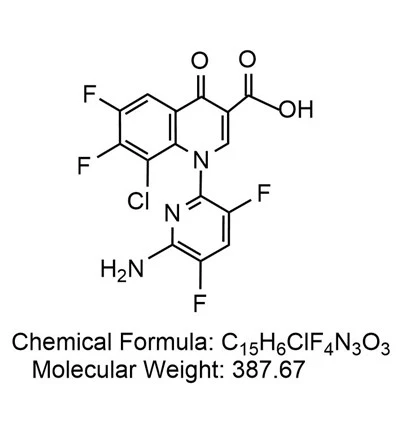
1-(6-Amino-3,5-Difluoro-2-Pyridinyl)-8-Chloro-6,7-Difluoro-1,4-Dihydro-4-Oxo-3-Quinolinecarboxylic Acid
1-(6-Amino-3,5-difluoro-2-pyridinyl)-8-chloro-6,7-difluoro-1,4-dihydro-4-oxo-3-quinolinecarboxylic Acid, also known as ADQ-1, is a novel compound with potential therapeutic applications in the treatment of bacterial infections.
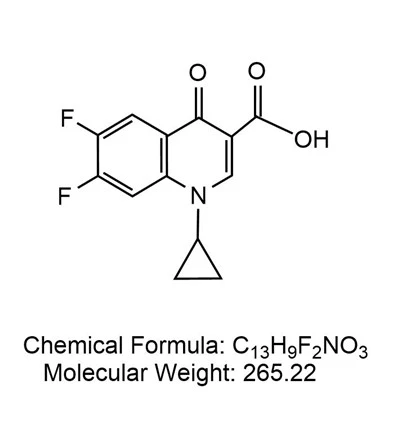
1-Cyclorpropyl-6,7-Difluoro-1,4-Dihydro-4-Oxo-3-Quinoline Carboxylic Acid≥99.0%
Cyclorpropyl-6,7-difluoro-1,4-dihydro-4-oxo-3-quinoline Carboxylic Acid, also known as CFX, is a remarkable compound that has brought about a significant change in our daily lives. This drug has been widely used for its antibacterial properties, and it has been instrumental in fighting against various bacterial infections.
Possible Future Developments of Quinolones
Of the fluoroquinolones currently licensed, ciprofloxacin has the broadest spectrum of activity, while ofloxacin is well-distributed into tissues. Both of these compounds are tolerated well by man. A variety of unforeseen effects, including the temafloxacin syndrome, have resulted in the disappearance of many potential‘block-busters. Therefore, it may be time to look for alternative molecules that also attack bacteria via DNA gyrase. Such a group of molecules were ‘showcased’ at the 1994 Interscience Conference on Antimicrobial Agents and Chemotherapy by the Abbott company.
This new group-2-pyridones (Fig. 3)–act on DNA gyrase [18, 19] and, probably, topoisomerase IV (which is a homologue of DNA gyrase). This enzyme appears to play a role in the separation of the daughter DNA molecules after replication. The precise interplay between quinolones and this enzyme is unknown. Of these new 2-pyridones, ABT 719 has considerable antibacterial activity, including gram-positive bacteria and anaerobes. It possesses greater activity than the best current gram-negative quinolone, cipro-floxacin, against both enterobacteria and pseudomonads.
Quinolone Bacterial Resistance
The accumulation of several bacterial mutations (DNA gyrase and bacterial permeability) has been associated with the development of very high minimum inhibitory concentrations to ciprofloxacin in isolates of Staphylococcus aureus, Enterobacteriaceae species and P. aeruginosa.
Resistance to quinolones can also develop because of alterations in bacterial permeability and the development of efflux pumps. This resistance mechanism is shared with antimicrobial agents structurally unrelated to the quinolones, such as the betalactams, tetracyclines and chloramphenicol (Chloromycetin).
Cross-resistance among the quinolones is expected, but the extent to which the minimum inhibitory concentration is affected varies from agent to agent. Therefore, the bacterial susceptibility and pharmacokinetic profiles of each quinolone should be considered in determining the effectiveness of specific agents.2
Quinolones Play an Important Role
We review data on the in-vitro, ex-vivo, in-vivo, and clinical effects of fluoroquinolones on the synthesis of cytokines and their mechanisms of immunomodulation. In general, most fluoroquinolone derivatives superinduce in-vitro interleukin 2 synthesis but inhibit synthesis of interleukin 1 and tumour necrosis factor (TNF); α furthermore, they enhance significantly the synthesis of colony-stimulating factors (CSF). Fluoroquinolones affect in-vivo cellular and humoral immunity by attenuating cytokine responses. Interleukins 10 and 12 have an important role in the functional differentiation of immunocompetent cells and trigger the initiation of the acquired immune response. In addition, certain fluoroquinolones were seen to enhance haematopoiesis by increasing the concentrations of CSF in the lung as well as in the bone marrow and shaft.
Those fluoroquinolones exerting significant effects on haematopoiesis were those with a cyclopropyl moiety at position N1 of their quinolone core structure. Mechanisms that could explain the various immunomodulatory effects of fluoroquinolones include: (1) an effect on intracellular cyclic adenosine-3,5-monophosphate and phosphodiesterases; (2) an effect on transcription factors such as nuclear factor (NF) κB, activator protein 1, NF-interleukin-6 and nuclear factor of activated T cells; and (3) a triggering effect on the eukaryotic equivalent of bacterial SOS response with its ensuing intracellular events. Further studies are required, especially in the clinical setting to exploit fully the potential of the immunomodulatory effect of fluoroquinolones during, for example, immunosuppression, chronic airway inflammatory diseases, and sinusitis.
The quinolone antibiotics arose in the early 1960s, with the first examples possessing a narrow-spectrum of activity with unfavorable pharmacokinetic properties. Over time, the development of new quinolone antibiotics has led to improved analogues with an expanded spectrum and high efficacy. Nowadays, quinolones are widely used for treating a variety of infections. Quinolones are broad-spectrum antibiotics that are active against both Gram-positive and Gram-negative bacteria, including mycobacteria, and anaerobes. They exert their actions by inhibiting bacterial nucleic acid synthesis through disrupting the enzymes topoisomerase IV and DNA gyrase, and by causing breakage of bacterial chromosomes.
However, bacteria have acquired resistance to quinolones, similar to other antibacterial agents, due to the overuse of these drugs. Mechanisms contributing to quinolone resistance are mediated by chromosomal mutations and/or plasmid gene uptake that alter the topoisomerase targets, modify the quinolone, and/or reduce drug accumulation by either decreased uptake or increased efflux. This review discusses the development of this class of antibiotics in terms of potency, pharmacokinetics and toxicity, along with the resistance mechanisms which reduce the quinolones' activity against pathogens. Potential strategies for future generations of quinolone antibiotics with enhanced activity against resistant strains are suggested.
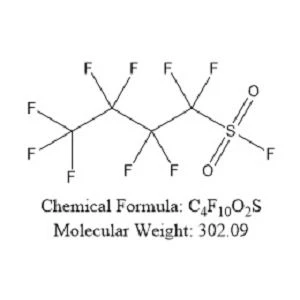
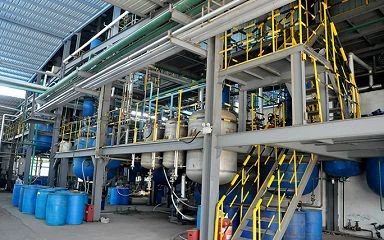
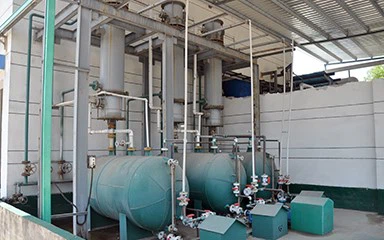
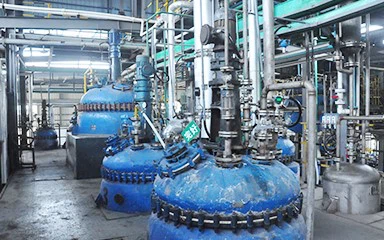
Our Factory
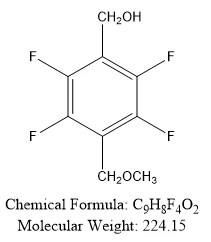
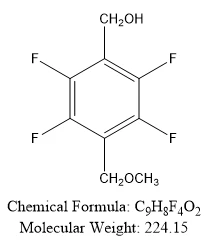
Shaoxing Kaibang New Material Technology Co., Ltd is a company integrating R & D, production, sales,professional Pharmaceutical Intermediates manufacturer, we specialize in the development and production of Active Pharmaceutical Intermediates (APIs) and Pharmaceutical Intermediates, and earned a reputations leading supplier of innovative, high quality chemicals. Shaoxing Kaibang New Material Technology Co., Ltd has a well-established research & kilo laboratory to serve our global customers in multi grams to kilograms level, and also conduct process development, has own production line, Pentafluorophenol, Difluorophenol, Tetrafluorobenzyl Alcohol etc as our main competitive products, highly purified,high quality, well appreciated by their purchasers.

certificate
FAQ
Q: What are the drugs of choice for fluoroquinolones?
Q: What is the most potent quinolones?
Q: What is the safest quinolone to use?
Q: What is the specific target of quinolones?
Q: Which is the best fluoroquinolone?
Q: Is levofloxacin more potent than ciprofloxacin?
Q: What is the difference between a quinolone and a fluoroquinolone?
Q: Is Cipro better than levofloxacin for Pseudomonas?
Q: Which fluoroquinolones have the least bioavailability?
Q: Who should avoid quinolones?
Q: When should quinolones be avoided?
Q: What is the main advantage of levofloxacin over other quinolones?
Q: Why are quinolones bad?
Q: What was the first fluoroquinolone?
Q: Does ciprofloxacin have good oral bioavailability?
Q: Why is ciprofloxacin not recommended?
Q: Can I take levofloxacin instead of ciprofloxacin?
Q: Why should fluoroquinolones be avoided?
Q: What is the difference between levofloxacin and ciprofloxacin?
Q: Which fluoroquinolone has maximum bioavailability?
We're professional quinolone pharmaceutical intermediates manufacturers and suppliers in China, specialized in providing high quality customized service. We warmly welcome you to buy quinolone pharmaceutical intermediates at low price from our factory. Contact us for quotation.
99 0 2 4 Difluorobenzonitrile, 98 0 Dimethyl Fluoromalonate, 1 Cyclorpropyl 6 7 difluoro 1 4 dihydro 4 oxo 3 quinoline Carboxylic Acid 99 0 93107 30 3