


Fluorinated Benzylamine
Why Choose Us
Certifications
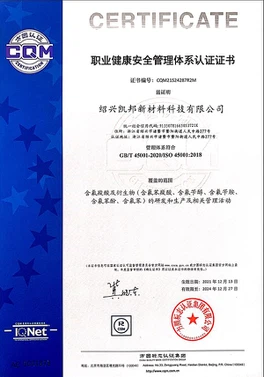
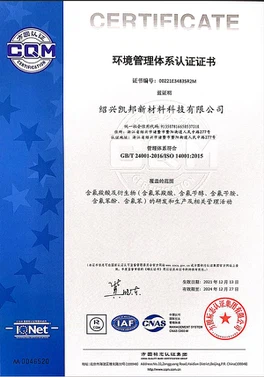
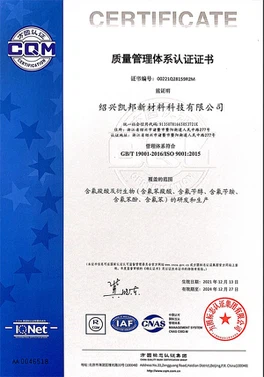
Kaibang takes immense pride in holding certifications from Iso 9001:2015, ISO 14001:2015, andISO 45001:2018, a testament to our unwavering commitment to quality, efficiency, flexibility, and cost competitiveness.
One-Stop Service
We are a professional manufacturer of phar-maceutical intermediates integrating R&D,production and sales.
Competitive Price
We have a professional purchasing team and costing team, trying to reduce costs and profits, and provide you with a good price.
Production Equipment
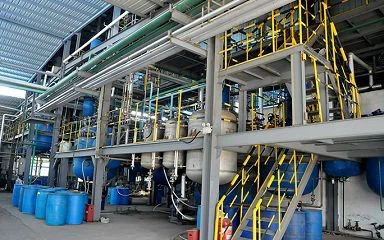
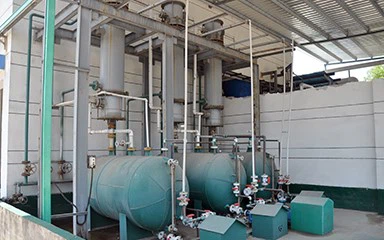
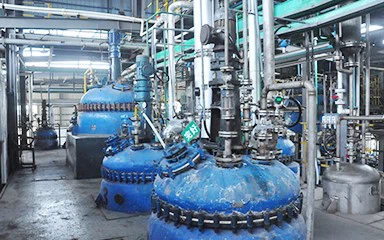
We have devoted amount of resource for maintain and keep our equipment in the best state for our customers.










Types of Fluorinated Amines
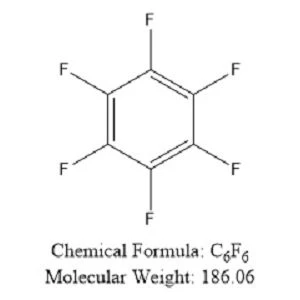
2,4,6-Trifluorobenzyl Amine
Organic chemistry is a highly interdisciplinary field that aims to understand the behavior and properties of carbon-based compounds. Among these compounds, amines (compounds with a nitrogen atom bonded to at least one alkyl or aryl group) are particularly important due to their role as essential building blocks in the synthesis of a wide range of biologically active molecules.
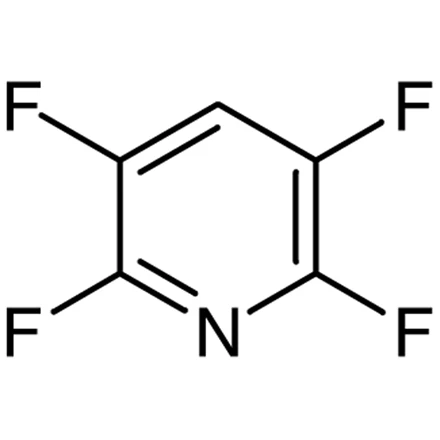
2,3,5,6-Tetrafluoropyridine
Pyridine and its derivatives have been developed and utilized relatively early at home and abroad. It is widely used in medicine, pesticides, rubber, dyes and other fields. Since the 1960s, there have been hundreds of medicines, pesticides, dyes, and some special reagents developed with fluorine-containing aromatic compounds as intermediates.
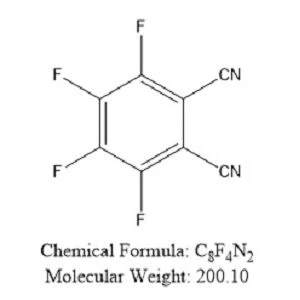
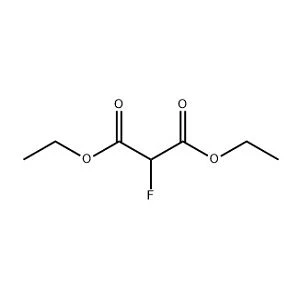
3,5-Difluoropyridine-2,6-Diamine
3,5-Difluoropyridine-2,6-diamine, also known as DFPA, is a heterocyclic compound with the molecular formula C5H5F2N3. It belongs to the class of nitrogen-containing heterocycles and has two fluorine atoms attached to the pyridine ring.
2,3,4,5,6-Pentafluoropyridine
2,3,4,5,6-Pentafluoropyridine is a type of pyridine chemical compound used in various industries. It is a colorless liquid with a strong odor and is highly flammable. This chemical is an important intermediate in the fields of pharmaceuticals, agrochemicals, and specialty chemicals.
What are the Applications of Fluorinated Amines
Glass Etching
Ammonium fluoride can be used for glass etching. It reacts with silica on the glass surface to generate soluble fluorosilicate, thereby achieving the etching effect.
Preservative
Ammonium fluoride has certain antibacterial properties and can be used as a preservative in some chemical products and foods.
Metal Surface Treatment
Ammonium fluoride can be used for metal surface treatment, such as anodizing of aluminum and its alloys, to improve the corrosion resistance and wear resistance of the metal surface.
Ceramic Manufacturing
Ammonium fluoride can be used as an additive in ceramic manufacturing to improve the properties of ceramics.
Toxicological Data for Amine Fluoride
Acute toxicity: rat abdominal LD50: 31mg/kg; fox subcutaneous LDLo: 280mg/kg.
Other multiple dose toxicity data: Rat inhalation TCLo: 1600 ug/m3/6H/39W-I.
Toxic and highly irritating: Contact with this product may cause eye, respiratory and respiratory burns. Can be absorbed through ~. Long-term exposure causes dental fluorosis and skeletal fluorosis.
Generally slightly harmful to water bodies, do not allow undiluted or large quantities of product to come into contact with groundwater, waterways or sewage systems. Do not discharge material into the surrounding environment without government permission.
How Effective is Ammonium Fluoride as a Moth Repellent
Can reduce bacteria in the mouth
First of all, from the perspective of chemical properties, the chemical formula of ammonium fluoride is NH4F, in which fluoride ion (F-) is its main active ingredient. Fluoride ions can combine with calcium ions (Ca2+) on the tooth surface to form calcium fluoride (CaF2). This calcium fluoride forms a protective layer similar to the minerals on the tooth surface, preventing acids and bacteria from food from attacking the teeth. In addition, ammonium fluoride also has a certain antibacterial effect, which can reduce the number of bacteria in the mouth and prevent tooth decay.
Ammonium fluoride has a moth-proofing mechanism
The second is the anti-moth mechanism of ammonium fluoride. Ammonium fluoride mainly works in the following ways to prevent tooth decay. First, it reacts with minerals on the tooth surface to form calcium fluoride, which increases the acid resistance of the teeth. The minerals on the tooth surface are mainly composed of hydroxyapatite, and calcium fluoride has high stability and can better protect teeth from erosion in an acidic environment.
Ammonium fluoride can inhibit bacterial growth
Secondly, ammonium fluoride can inhibit the growth of bacteria in the oral cavity and reduce the formation of plaque on the tooth surface. Dental plaque is a mucosal adhesion on the tooth surface that is composed of bacteria and other microorganisms. Plaque causes tooth decay by destroying the mineral structure of teeth by producing acidic metabolites. Ammonium fluoride inhibits bacterial growth and metabolic activity, thereby reducing plaque formation. Ammonium fluoride can also help remineralize the hard tissue on the tooth surface, restore damaged enamel and dentin, and reduce the development of tooth decay.
Ammonium fluoride properties
Appearance
Ammonium fluoride is generally colorless crystals or white crystals.
Solubility
Ammonium fluoride is easily soluble in water and appears weakly acidic in water.
Corrosiveness
Ammonium fluoride is corrosive to a certain extent and can cause damage to skin, eyes and respiratory tract. Wear appropriate protective equipment when using.
Property stability
Ammonium fluoride is relatively stable at room temperature, but can decompose into ammonium gas and hydrogen fluoride gas at high temperatures.
It is hygroscopic
So keep it in an airtight container and avoid contact with moisture, water and acids.
The potential application value of ammonium fluoride in the refrigerant field
Ammonium fluoride can be used as an absorbent
Absorption refrigerant is a technology that uses the physical properties of a solution to absorb and release heat. Ammonium fluoride reacts with water to form hydrogen fluoride and ammonia, a reaction that releases large amounts of heat. Therefore, ammonium fluoride can be used as an absorbent to absorb heat and release it when needed.
Additives used as refrigerants
Secondly, ammonium fluoride can also be used as a refrigerant additive. In some cases, ammonium fluoride can change the properties of the refrigerant and improve its refrigeration effect and energy efficiency. For example, adding ammonium fluoride to a refrigerant can lower its freezing and boiling points, thereby improving the performance of the refrigerant in low-temperature environments.
Used as a preservative in refrigeration systems
In addition, ammonium fluoride can be used as a preservative in refrigeration systems. Refrigerant systems often contain metal components such as condensers, evaporators, and pipes, which are susceptible to corrosion. Ammonium fluoride has excellent etching properties and can be used as an additive to prevent corrosion of metal components in cooling systems.
Physical Properties of Amine Fluoride
Melting point (℃): 98°C
CAS number: 12125-01-8
Water solubility: soluble
Solubility H2O: 1 M at 20 °C, clear, colorless
Colorless leaf-like or needle-like crystals, and hexagonal columnar crystals are obtained after sublimation. Easy to deliquesce. Easily soluble in water, the aqueous solution is acidic. Soluble in alcohol, insoluble in acetone and liquid ammonia.
Stability
It decomposes when exposed to acid and releases corrosive hydrogen fluoride gas. It releases irritating ammonia when exposed to alkali. Decomposed by high heat to produce toxic and corrosive fumes. Hazardous combustion products: hydrogen fluoride, ammonia, nitrogen oxides.
Process of Fluorinated Amines
Liquid phase method
In a lead or plastic container, add a certain amount of hydrofluoric acid. Cool with water outside the container, and slowly introduce ammonia gas while stirring until the Ph value of the reaction solution reaches about 4. The reaction solution is cooled and crystallized, centrifuged, and air-dried to obtain ammonium fluoride product.
Place 75g of 40% hydrofluoric acid in a platinum dish or a Teflon container, cool it with ice, and then slowly introduce excess ammonia gas. The precipitated NH4F is filtered out using suction filtration.
Place a mixture of one part ammonium chloride and 2.3 parts sodium fluoride in a platinum dish, cover the platinum dish with a concave lid, cover with cold water and cool it, slightly heat the platinum dish, and the sublimated ammonium fluoride will condense. On the lid of the dish, small prismatic crystals can be obtained.
Please Pay Attention to The Following Safety Information When Using Ammonium Fluoride

Wear appropriate protective gloves, protective glasses and protective masks when using to avoid direct contact with skin, eyes and respiratory tract.
Avoid generating hydrogen fluoride gas during operation because hydrogen fluoride is corrosive and toxic.
Maintain a well-ventilated laboratory or workplace when using to avoid inhalation of ammonium fluoride dust.
When storing, ammonium fluoride should be placed in a sealed container to avoid contact with moisture, water and acidic substances.
Precautions When Using Ammonium Fluoride
Ammonium fluoride is highly corrosive and can cause irreversible damage to skin, eyes and respiratory tract. Therefore, protective equipment such as gloves, goggles, masks, etc. must be worn when using ammonium fluoride. If you accidentally spill ammonium fluoride on your skin or eyes, rinse immediately with clean water and seek medical advice promptly.
Ammonium fluoride is highly toxic and can cause damage to the nervous system and respiratory system. Prolonged exposure to ammonium fluoride can cause headaches, nausea, vomiting and other symptoms, and in severe cases may lead to nervous system failure and death. Therefore, operators must strictly follow operating procedures to avoid prolonged exposure to ammonium fluoride gas.
Ammonium fluoride is a sustainable and dangerous product that will cause irreversible pollution problems to the environment. Therefore, extreme care should be taken when using and storing ammonium fluoride, and appropriate disposal methods should be selected. Baroz's professional hazardous chemicals disposal technical services can provide professional services such as dangerous goods treatment, hazardous waste treatment, hazardous waste reduction, solid waste treatment, residual hazardous chemicals disposal, chemical cleaning and replacement, etc. to ensure the correct disposal of ammonium fluoride.
Ammonium fluoride will react violently when exposed to fire sources or strong oxidants, leading to explosions, fires and other accidents. Therefore, during the storage and use of ammonium fluoride, fire prevention work must be done, the surrounding environment should be kept clean and ventilated, and heat or fire sources should be avoided close to ammonium fluoride.
Ammonium fluoride storage containers should be made of materials whose inner walls will not be corroded and should be stored in an airtight manner. Safety facilities such as signs and alarms should be installed in the storage area, and temperature and humidity should be controlled to avoid chemical reactions.
Our Factory
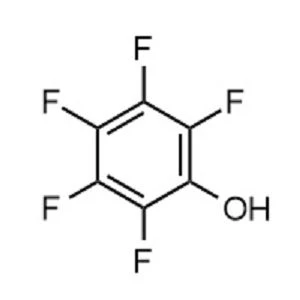
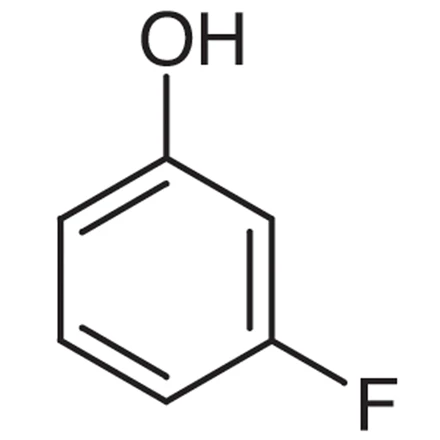
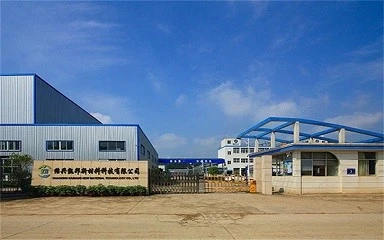
Shaoxing Kaibang New Material Technology Co., Ltd is a company integrating R & D, production, sales,professional Pharmaceutical Intermediates manufacturer, we specialize in the development and production of Active Pharmaceutical Intermediates (APIs) and Pharmaceutical Intermediates, and earned a reputations leading supplier of innovative, high quality chemicals. Shaoxing Kaibang New Material Technology Co., Ltd has a well-established research & kilo laboratory to serve our global customers in multi grams to kilograms level, and also conduct process development, has own production line, Pentafluorophenol, Difluorophenol, Tetrafluorobenzyl Alcohol etc as our main competitive products, highly purified,high quality, well appreciated by their purchasers.
certificate

FAQ
Q: What are fluorinated compounds used for?
Q: What are amines used for?
Q: What are the different types of amines?
Q: What are highly fluorinated chemicals?
Q: What are highly fluorinated substances?
Q: Are amines toxic to humans?
Q: What are the risks of amines?
Q: Where can amines be found?
Q: Are fluorinated compounds harmful?
Q: Are fluorinated compounds toxic?
Q: Is fluoropolymer the same as Teflon?
The first fluoropolymer, polytetrafluoroethylene (PTFE), better known as Teflon, was discovered accidentally by a scientist at DuPont in 1938.These products have been implicated in sporadic outbreaks of respiratory illness characterized by dyspnea, cough, and chest pain. Though typically self-limited, more severe exposure may lead to respiratory failure, acute respiratory distress syndrome (ARDS), and even death.
Q: What are the compounds of fluoride?
Q: Is fluoride and fluorine the same?
Q: What does fluoride do to the body?
Q: What does fluorine do to your body?
Q: What are the 4 types of fluoride?
Q: Does the human body need fluoride?
Q: What color is fluoride?
Q: Is fluorine used in toothpaste?
Q: Does boiling water remove fluoride?
We're professional fluorinated amines manufacturers and suppliers in China, specialized in providing high quality customized service. We warmly welcome you to buy fluorinated amines at low price from our factory. Contact us for quotation.
99 0 Lithium Bis 1 1 2 2 3 3 4 4 4 nonafluoro 1 butanesulfonyl Imide, 99 0 2 4 5 Trifluorobenzyl Bromide CAS NO 157911 56 3, 2 4 6 Trifluorobenzyl Amine 99 0